






It is wisely said, “A journey of a thousand miles begins with a single step.”
For educator representatives from various Asian nations, participating in the specialized training program titled
“Training Program for Backbone Teachers of Luban Workshop in Asian Countries”
In China was a life changing experience. As a teacher directly facing the geographical challenges, educational realities, and administrative conditions of Nepal’s Karnali Province, this fifteenday stay in China was not just a training program; it proved to be a living university of development and prosperity.
Organized by Ningbo Polytechnic University (NBPU) from May 21 to June 3, 2026, this intensive program provided an opportunity to closely observe and study two distinct coastal hubs:
Ningbo (Zhejiang Province), a massive industrial and commercial center, and Qingdao (Shandong Province), a modern, bbeautiful coastal city.
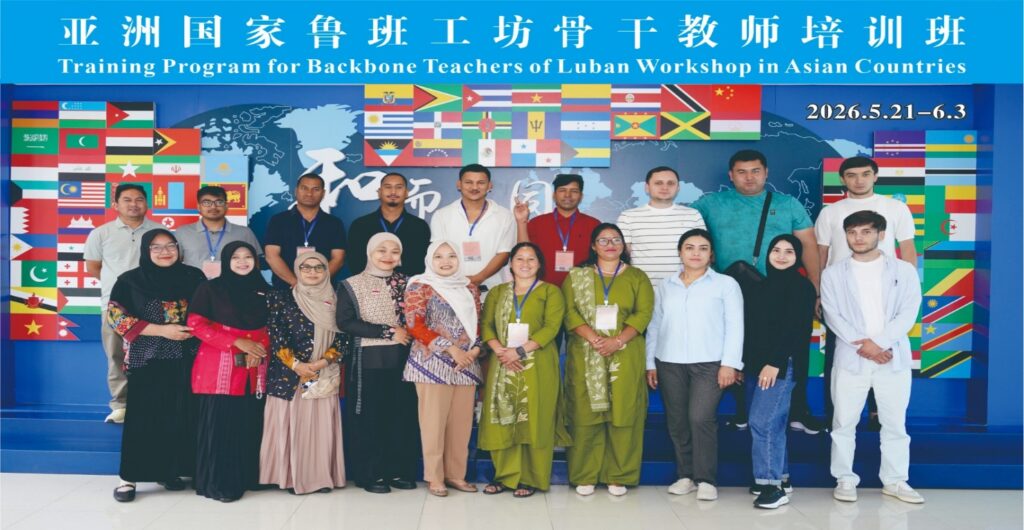
1: The author alongside fellow educator representatives from various Asian nations during the Training Program at Ningbo Polytechnic University (NBPU)
Witnessing this amazing blend of high technology and advanced physical infrastructure surpassed all my expectations.
It clearly demonstrated how technology can be used to make human life simpler and more efficient. In this article, I have shared my travel experiences, China’s technological model, and the practical lessons our country, Nepal, can learn from them.
1. The Core of ‘Luban Workshop’: Skills, Industry, and Work Culture
Understanding the core concept and working style of the ‘Luban Workshop’— a prestigious international brand in China’s technical and vocational education—was the main focus of this training. Throughout the program, the strict punctuality of the Chinese people, their high respect for guests, and their deep dedication to their work were truly inspiring and worth learning.
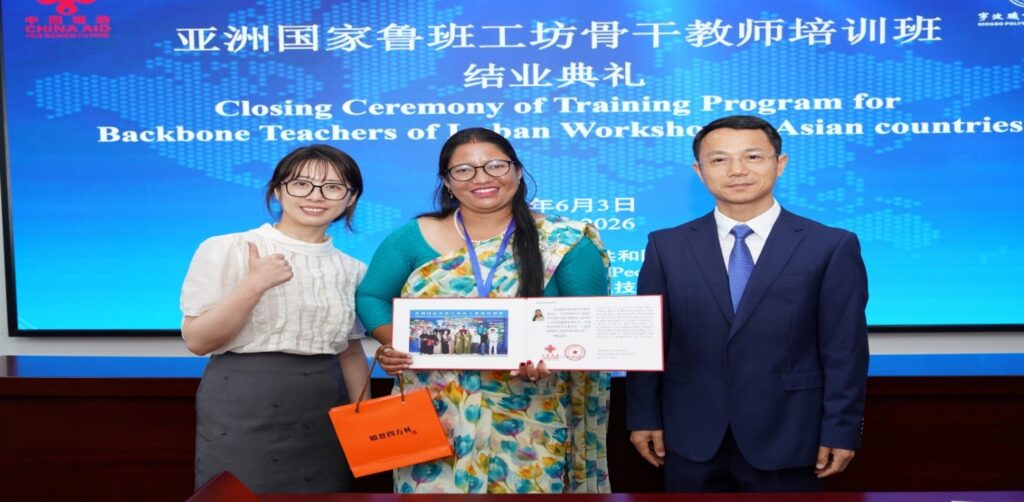
Image 2: An international gathering of participants and officials, fostering cross-border exchange and Industry-Academia collaboration at NBPU
Interacting with 25 fellow teachers and education officials from various Asian countries gave me practical knowledge on how to connect technical education directly with industrial needs (Industry Academia Collaboration).
Witnessing China’s educational and industrial systems made it clear that development does not happen overnight; it requires citizen discipline, skilled human resources, and a clear vision from the state.
Experience of Two Distinct Cities: The Meeting of Physical and Digital Infrastructure
During this journey, we experienced two highly developed and unique urban areas:
Ningbo: One of the world’s busiest ports and a massive manufacturing hub, where factories and international trade networks operate so efficiently that every second of productivity is counted.
Qingdao: Located on the sea coast, this city is an excellent example of modern skyscrapers, eco friendly infrastructure, and well-managed urban beauty.
The main strength of China’s development is the strong connection between ‘physical infrastructure’ and ‘digital infrastructure’. Modern subways, high-speed monorails, and bullet trains connect the cities so perfectly that geographical distance is no longer a challenge. Even during the hot summer weather of 28°C to 35°C, the scientific management, extensive greenery, and automated technology of these cities made our travel completely comfortable and fatigue-free.
3. The ‘Cashless’ and ‘Smart’ Lifestyle: An Excellent Example of Technology
In China, technology is not a luxury or a status symbol; it has become an essential part of daily life. This is best proven by their ‘cashless economy’. From large shopping malls to small roadside shops, the use of physical cash is almost zero.
All financial and social transactions are done digitally through QR codes using mobile applications like WeChat. and Alipay. This model has increased financial transparency and saved a massive amount of human labor, currency printing costs, and valuable time.
4. Defying Westernization: China’s Secure Digital Fort and Cultural Nationalism
Today’s modern world has become culturally and digitally dominated by Western languages, Hollywood entertainment, and Silicon Valley technologies (Google, Facebook, Apple). Many countries feel that they will lag behind if they do not adopt western technology and the English language. However, amid this wave of globalization, China is a country that has reached the peak of self reliance while staying completely independent of Western technology, language, and culture.
While most of the world thinks the internet means Google, Facebook, YouTube, and WhatsApp, China built “The Great Firewall” in the late 1990s to protect its citizens’ data (Data Sovereignty) and keep national information safe from foreign control. They created Baidu (alternative to Google) , WeChat (alternative to Facebook/WhatsApp), and Alibaba. Today, inside a single ‘WeChat’ app, communication, banking, government services, and business are integrated so well that their digital system is much smarter and more powerful than Western platforms.
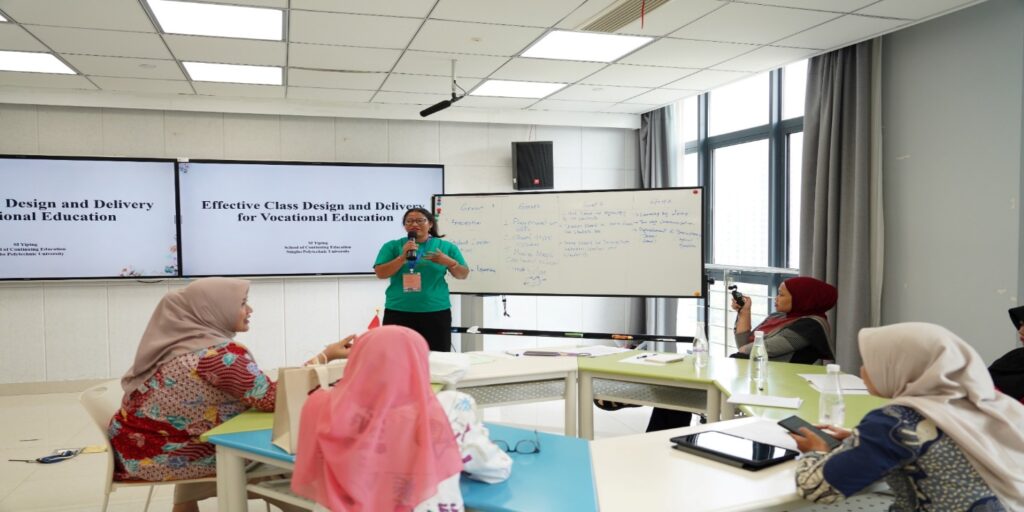
Image 3: The author, Samjhana Bhandari, delivering a presentation in an advanced lecture hall, sharing insights on integrating digital tools in education.
Moreover, China’s perspective on language and nationality provided me with a positive ideological shock. In Nepal today, English-medium education is prioritized so blindly that we are losing our own language, cultural essence, and originality. A large group in Nepal believes that teaching childre n to speak English is the ultimate sign of intellect and pride. This blind imitation of foreign culture is making our national identity weak.
However, the thinking of global superpower China is exactly the opposite. World-renowned professors at major universities choose to speak their native language with great pride on formal stages and in classrooms. Instead of teaching science, math, and engineering in English, China translates these modern subjects into the Chinese language. They are so proud of their identity that they prefer using translation apps to talk to foreigners rather than feeling embarrassed about making mistakes in English.
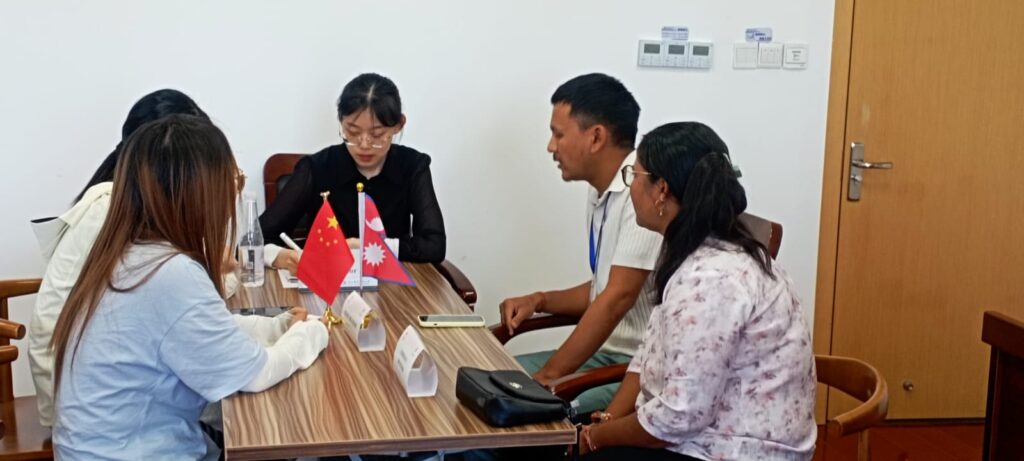
Image 4: Exchanging local perspectives and crosscultural values with institutional coordinators in China.
The Chinese belief is crystal clear:
“Language is not just a medium of communication; it is the pillar of national self-respect and existence.” China is a living example that a country can reach the top of global technology while preserving its language and culture. This teaches a great lesson to us Nepalis, who often feel insecure about not speaking fluent English.
5. Training Models:
Nepal’s ‘Speech & Applause’ vs. China’s ‘Learning by Doing’
There is a massive difference between the training styles of Nepal and China. In Nepal, most seminars are limited to “inauguration, formal seating (Asan Grahan), long speeches, wearing garlands, and taking allowances.” Trainers often present without enough preparation, delivering long passive lectures just to pass the time. This practice results in an unproductive waste of the country’s limited resources and time.
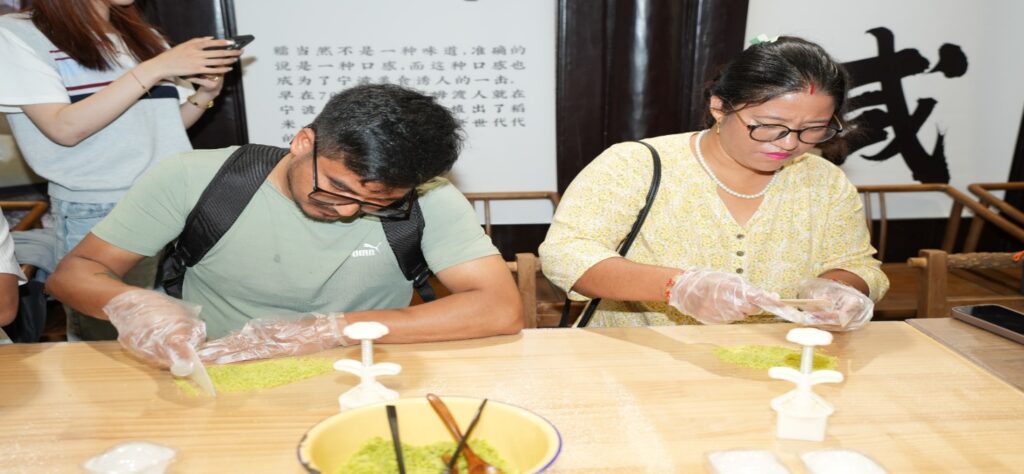
Image 5: Dedicated bilateral and multilateral discussions and interactive workshops focusing on practical training methodologies.
In contrast, China’s program showed the highest utilization of time and resources. There was no unnecessary focus on formal seating or self-praise. From the very first minute, the principle of ‘Learning by Doing’ was practiced. Teachers and trainers came fully prepared, and participants learned by workings directly in practical laboratories and workshops.
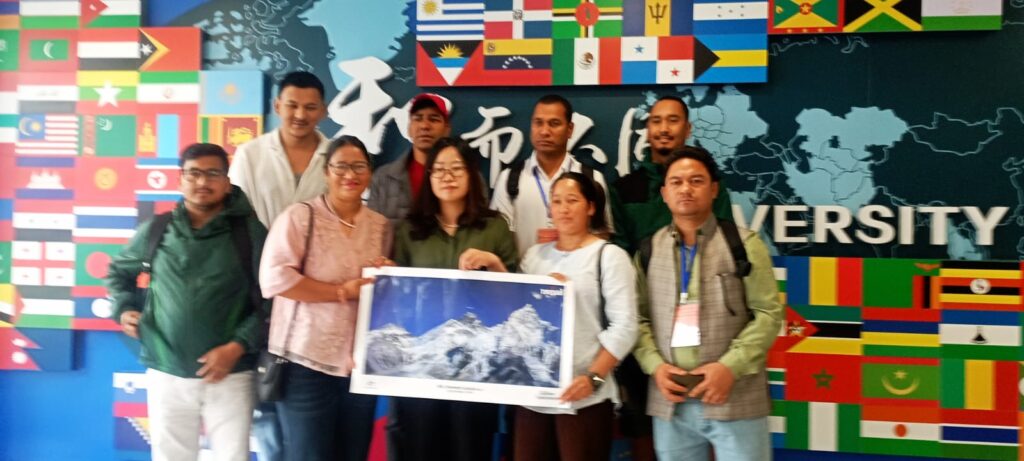
Image 6: Representing Nepal proudly by showcasing a portrait of Mount Everest to international partners, blending national identity with global learning.
6. Lessons for Nepal and especially for the Karnali Province
In Nepal, we often complain about the lack of resources and difficult geography. However, after seeing China’s progress, it is clear that if there is willpower, discipline, and the right choice of technology, nothing is impossible. Nepal, and especially our Karnali Province, can learn the following lessons from China’s ‘Luban Workshop’ model and work culture:
Integrating Education, Skills, and Industry:
Our schools must replace traditional theoretical methods with digital learning and a ‘Learning by Doing’ model immediately.
Education Based on Our Own Language and Identity:
English should be learned as a tool for international communication. At the same time, we must preserve and develop our local knowledge, traditional skills, and indigenous technologies using our own language.
Restructuring Training and Work Culture: Educational and administrative bodies in Nepal must abandon the old ‘applause and long speech culture’ and make training modules 100% practical.
Adopting Digital Technology and Systems: To bring transparency and speed, digital payment systems and online management systems must be extended to rural schools and other government as well non-government offices without delay.
Respecting Time and Work Culture: We Nepalis must adopt the Chinese style of “speaking less and doing more” in our all administrative and educational sectors.
7. Action Plan for Transformation in School and Society
To ensure that the knowledge and technological models learned in China are actively implemented, I have prepared a practical three-phase action plan for my school in Karnali and the community: Short-Term Action Plan (Immediate Implementation – School & Community Level)
Reducing Lectures and Introducing Project Models: Classroom teaching will be split: half of the time for theory and the remaining half strictly for ‘Learning by Doing’ (project work and practical exercises).
Using Smart Classrooms and Digital Tools: We will optimize the use of computer labs and digital boards. In coordination with the School Management Committee, Head teacher and the remaining stakeholder, we will use digital tools to create an engaging environment where students learn by translating global knowledge into their own language.
Strict Time Management (Punctuality): I will practice strict punctuality across all classes, faculty meetings, and community interactions to develop it as a regular habit.
B) Medium-Term Action Plan (6 Months to 1 Year – Local Level)
Starting Teacher Training and workshops Free from ‘Ceremonial Culture’:
I will actively lead efforts to remove long introductory speeches and formal seating protocols from teacher training sessions, replacing them with interactive, practical and productive workshops.
School Administrative Digitization: I will help transition school notices, student attendance, report cards, and financial records into paperless, digital formats using mobile apps and online systems.
Promoting Local Skills and Entrepreneurship: I will design classroom projects that encourage students to study, value, and preserve our native technologies, traditional arts, and local culture.
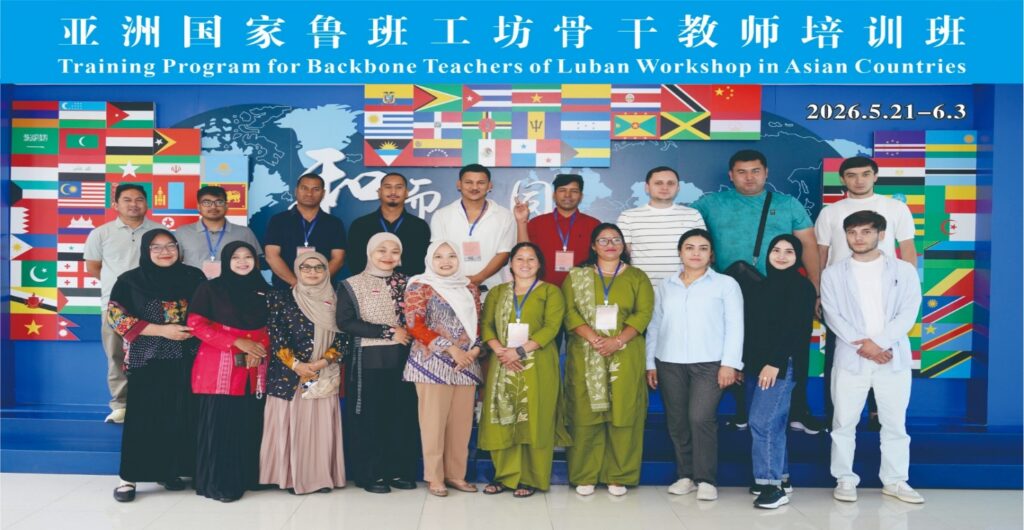
Image 7: Standing before a display of globally cooperating institutions, reflecting on how to expand educational connectivity for rural regions like Karnali.
C) Long-Term Action Plan (2 to 3 Years – Provincial Level)
Advocating for the ‘Karnali Luban Workshop’ Model: I will engage with local government bodies, policymakers, and media to build structural links between regional technical schools and local industries, hydropower projects, and commercial agriculture.
Creating Local Educational Materials: As an English teacher, I recognize language is just a means of communication, not knowledge itself. I will focus on creating contextualized teaching materials that use local resources, while collaborating with fellow educators to promote practical learning tailored to the Nepalese context and curriculum.
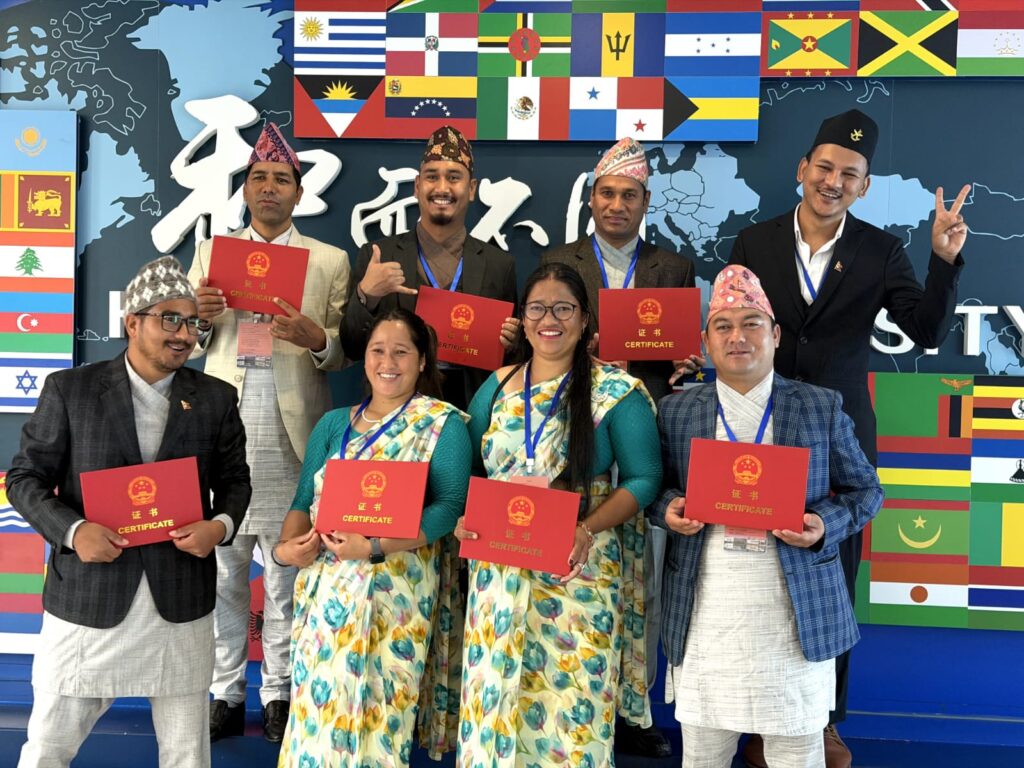
Image 8: Proud moments of success: The author and fellow Nepalese educators holding their official certificates after successfully completing the training program.
Conclusion
My 15-day stay at Ningbo Polytechnic University has created a strong determination in my heart. Should we always just be amazed by looking at the development of other countries, or should we start a positive change from our own place and identity? Real development does not come from grand speeches or blindly copying foreign cultures; it comes from respecting our language, culture, national pride, using technology correctly, and showing honest dedication to our work. Bringing and practicing this culture of ‘Learning by Doing’ back to my classroom, my students, and to the community is my commitment. This journey will remain an unforgettable milestone in my life.
Samjhana Bhandari
Teacher,Shree Ratna Chundeshwor Secondary School Jumla, (Karnali Province) Nepal