





I was sent to India at the age of 13, and I gave birth when I was 15. There were times when I felt so overwhelmed that I wished my life would end. But I chose to live, for my son and for myself. As a single mother from a Dalit community, I have faced every kind of pain. But I am still standing. I am proud to be a Dalit. I am a survivor”
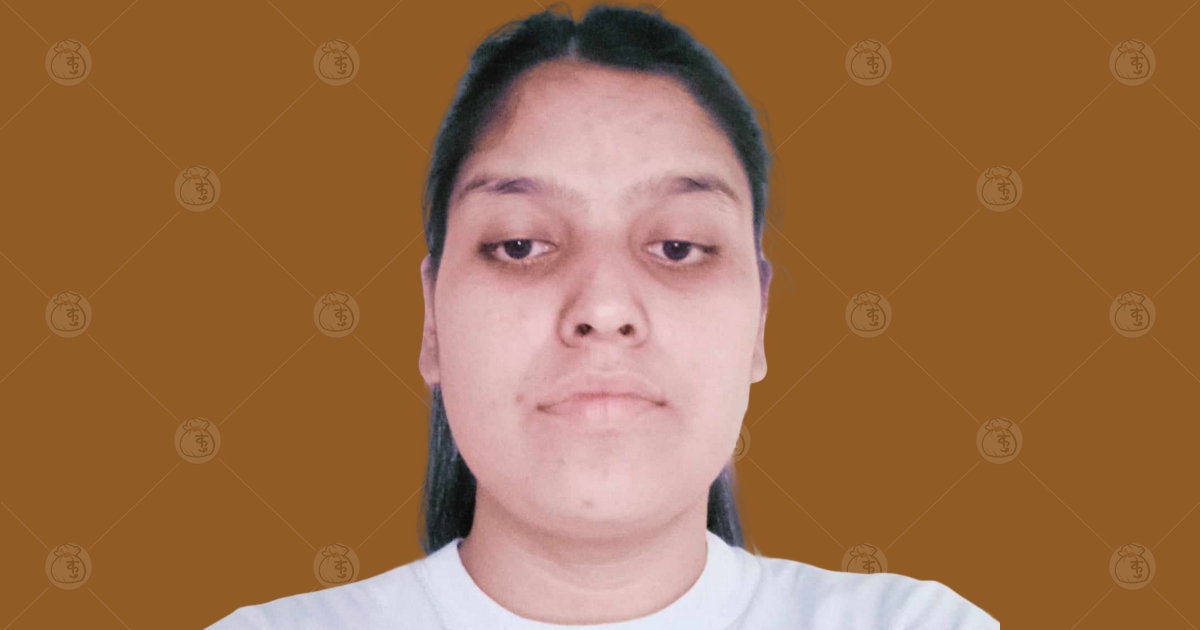
Born into a Dalit community in a Sunar tole, Padamkala Bishwakarma knew from an early age what exclusion felt like. Non-Dalits never came into the community to eat or celebrate. In school, her classmates wouldn’t even let her touch their food. She learned that caste wasn’t just a label, it was a boundary drawn around every part of her life.
The pain didn’t stop at the school gates. When there were community events, Dalits were still expected to give non-Dalits uncooked meat separately. Padamkala refused to follow this practice. “I told them I won’t do it. It’s better they don’t come,” she says. Even when she wore something nice, people from the non-Dalit community mocked her. “You don’t look like a ‘Dom’,” they smirked. One day, she had enough. She argued with them the whole day, demanding they explain what they meant. “You don’t say things like that in the market. Why say them here?” she challenged.
Her personal life was just as hard. At 13, during the Maoist war in 2069 B.S., she was sent to Mussoorie, India, to live with her sister. She didn’t want to go. After staying there for five to six months, she asked to return home. But rumors had spread that she had married in India, and her family refused to bring her back.
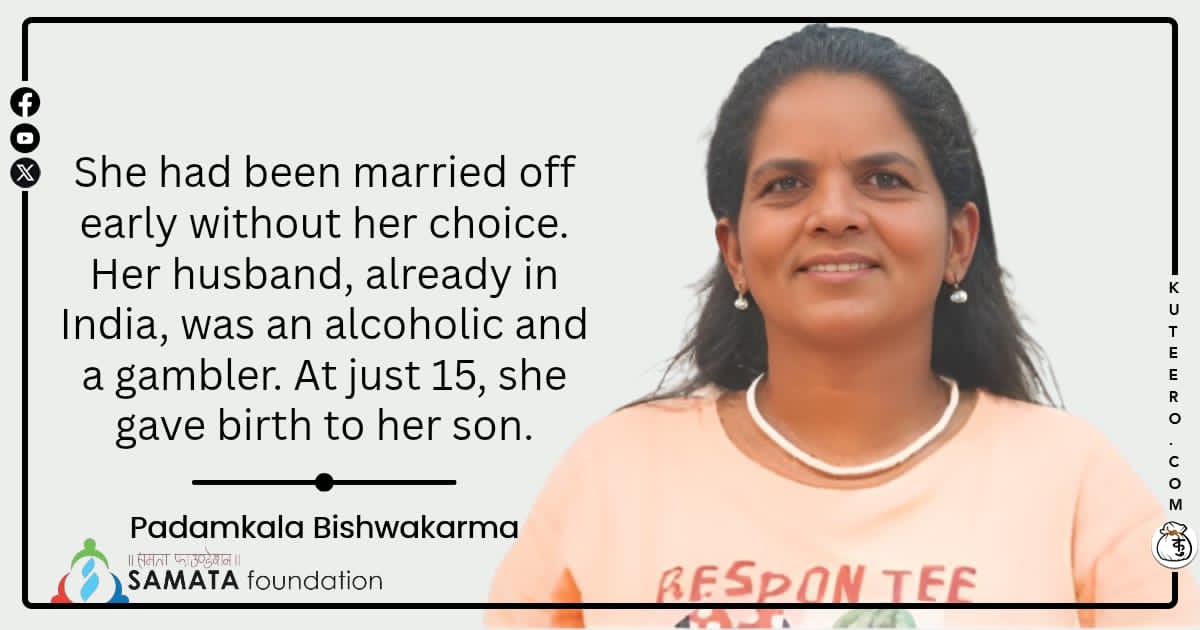
She had been married off early without her choice. Her husband, already in India, was an alcoholic and a gambler. At just 15, she gave birth to her son. The situation grew worse when her husband, consumed by his addiction, asked her to sell their son. That moment shattered her. “I didn’t think anything, I just knew I had to leave,” she says. She left him, taking her baby with her.
When her son turned two, her brother came to India and brought her back to Nepal. But life at home wasn’t easier either. She had no money and no support.
“I wished I was dead so I wouldn’t have to go through this,” she says. She wanted to give her son a good education but couldn’t afford it. When she asked her family for help, they turned her away. “Don’t teach your son by taking a loan,” they said. But Padamkala didn’t give up. Her son was in Class 2 when she completed her high school. “I wanted to be an example for all struggling single mothers,” she says. Even with pain in her past and pressure from society, she kept moving forward.
Now, her son is 21 years old. Her biggest dream is to see him finish higher education and become a government officer. “I think I can do it, as a single mother, and as a Dalit woman,” she says with quiet but unshakable determination.
Padamkala’s life is a story of hardship but also of deep courage. “I am proud to be a Dalit. I am a survivor,” she says. And every day, she continues to live with that truth.