





“During the by-election in Humla, I was threatened and beaten for defending Dalit voters. People don’t want to end caste-based discrimination because it lets them dominate Dalits. They enjoy the power and benefits, while Dalits are left out. I was scared that day, but I still spoke up. Because silence only protects injustice.”
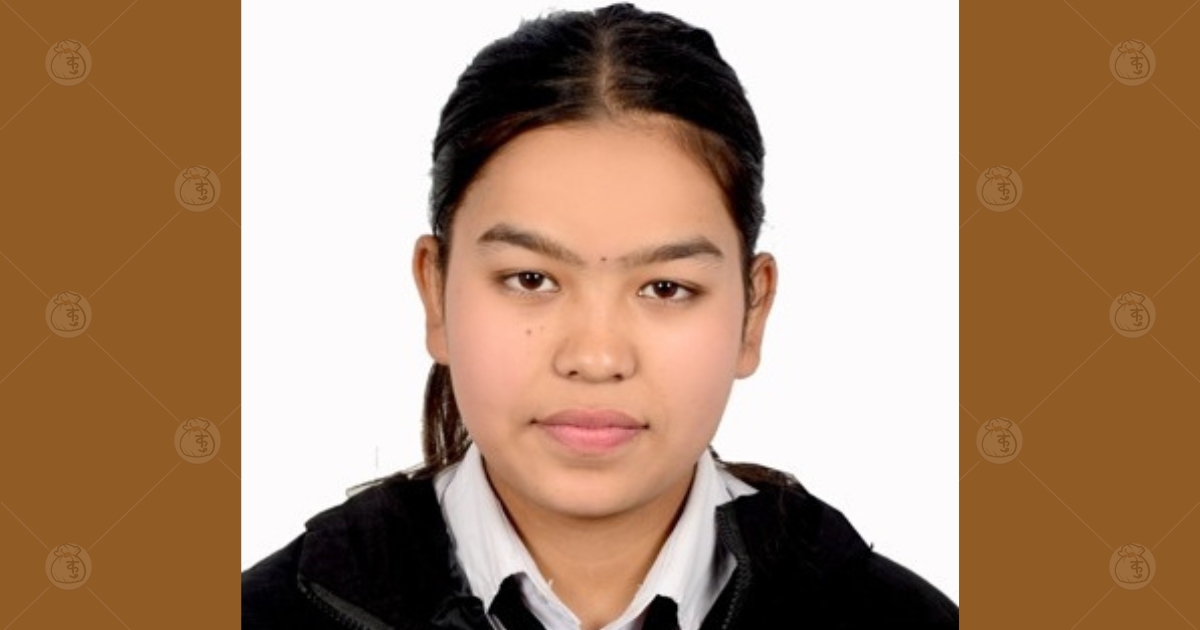
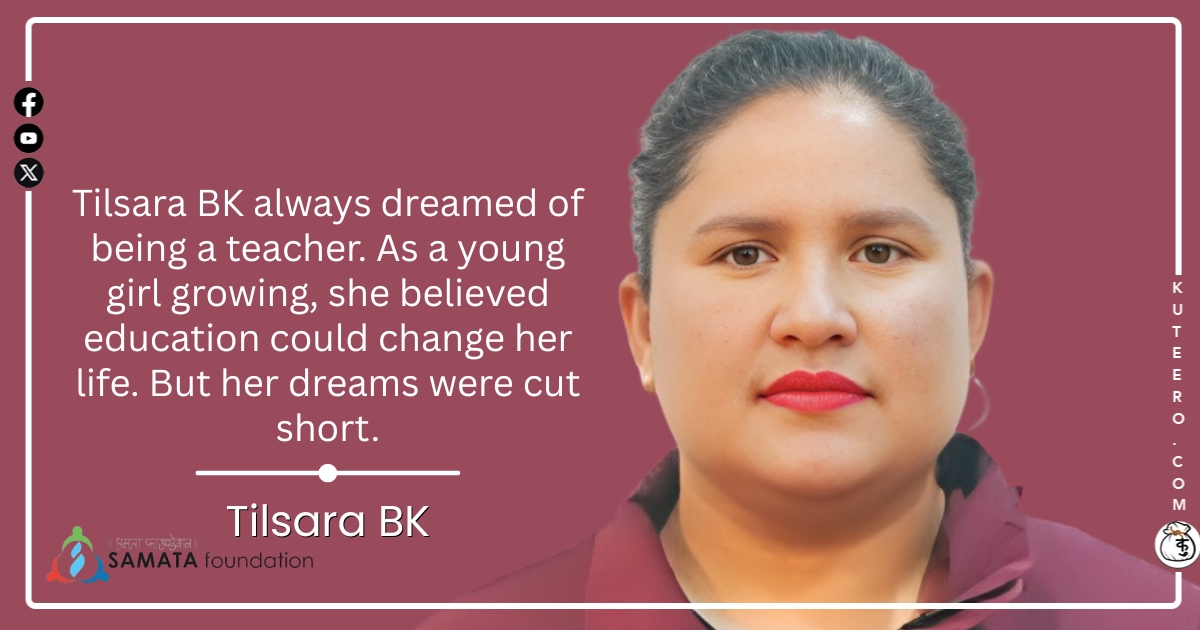
Tilsara BK always dreamed of being a teacher. As a young girl growing, she believed education could change her life. But her dreams were cut short. She was married off early, and because she was a girl, she was not allowed to complete her studies.
“At that time, it wasn’t easy for girls to say no,” she says quietly. “Even if you had dreams, they didn’t matter.”
But after marriage, she was lucky in one way, her in-laws supported her. And in 2069 B.S., when radio first came to Humla, it opened a whole new world for her. Tilsara joined the local station and found her voice. Through radio journalism, she began to talk about issues that were never spoken about openly especially Dalit rights, gender discrimination, and social injustice.
“Radio gave me a platform,” she says. “I couldn’t become a teacher, but I could still educate my community in another way.”
Her role as a journalist and Dalit human rights defender (DHRD) became even more critical during the by-election (Upa Nirbachan) in Mangshir 2081. While reporting from a polling center, she witnessed a shocking act of caste-based discrimination. Six Dalit voters were threatened by a local political leader who shouted: “You cannot vote. They are supporting the other party. I’ll kill you all,get out of here!”
Tilsara reported this to the election officer. But even though officials and police saw what happened, no one acted. The focus was on conducting the election, not protecting vulnerable voters.
Tilsara didn’t stay silent. She returned with other reporters and activists to confront the person who had issued the threats. But instead of backing down, he repeated:
“They’re not allowed. They’re not allowed.”
As a Dalit woman and human rights activist, Tilsara was furious. “How can you violate human rights like this?” she demanded. But she was accused of being from the opposition and physically attacked. She was beaten and insulted, not only by that man, but by those around him. “I was scared,” she says. “I thought I would die that day.”
Later, the police took her into a separate room. But instead of protecting her, they asked her to apologize. She refused. Even the human rights activists present didn’t report the incident. So Tilsara wrote about it herself. She refused to be silenced.
That day changed her, but it didn’t stop her.
“I realized something clearly, people don’t want to end caste discrimination because it gives them power. They dominate Dalits and take all the benefits. We Dalits don’t have access. We don’t get land, justice, or protection. Nobody stands with us.”
In Sarkegad, most Dalit families are landless, with little power in local politics or resources. Speaking up comes at a cost but Tilsara knows that silence is even more dangerous.
She continues her journalism and activism, focusing on Dalit issues, women’s rights, and education. Her voice now reaches far beyond her village.
“I’ll keep doing this till the end,” she says. “Because our stories matter. And because someone must speak the truth.”