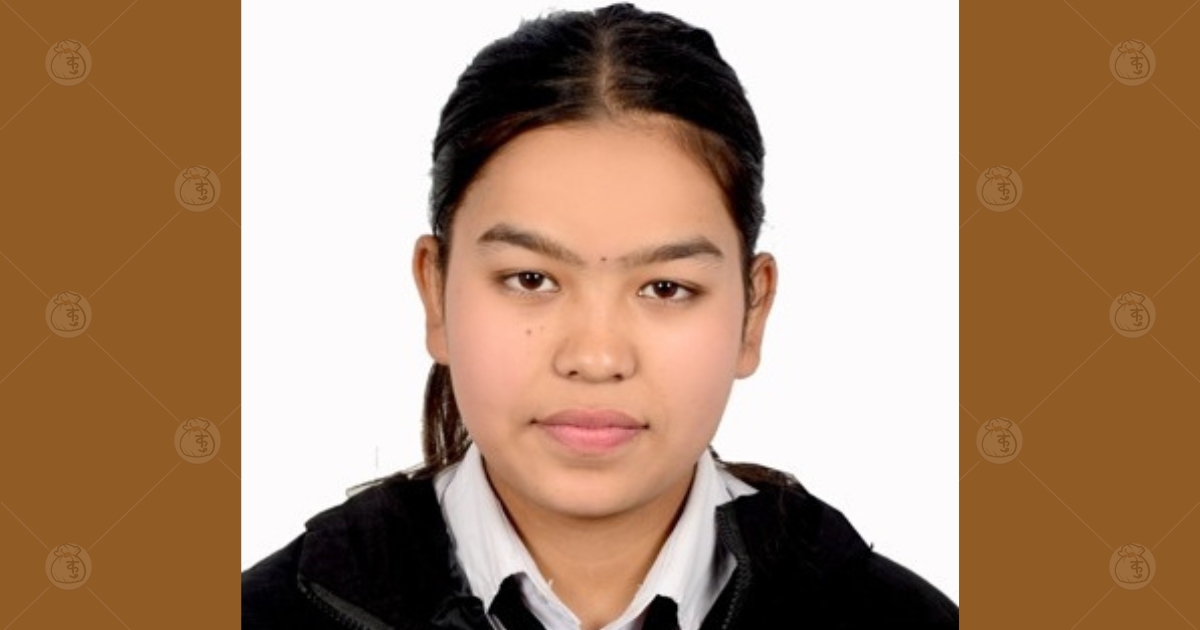






“Joining Samata Foundation as a Dalit Human Rights Defender has changed me. Ive grown stronger, more aware, and more determined to fight caste-based discrimination and speak up for my community.“
Anita Sunar is currently preparing for the teacher public service commission exams. But her path has never been straightforward.
She was born the third child in her family unplanned. Her mother already had two sons when Anita was conceived. Growing up, Anita often carried a haunting thought: If my mother had decided to abort me, I wouldnt be here. That feeling stayed with her for years. But instead of weighing her down, it burned something in her. If she had been given this life, she was determined to make it meaningful to serve her people and speak out against injustice.
Caste-based discrimination has always been a part of Anitas life. When her brother moved to Butwal for his studies, he faced it head-on. Landlords refused to rent him a room simply because he was Dalit. It wasnt until one of his teachers intervened and showed his academic documents that they finally agreed to let him stay.
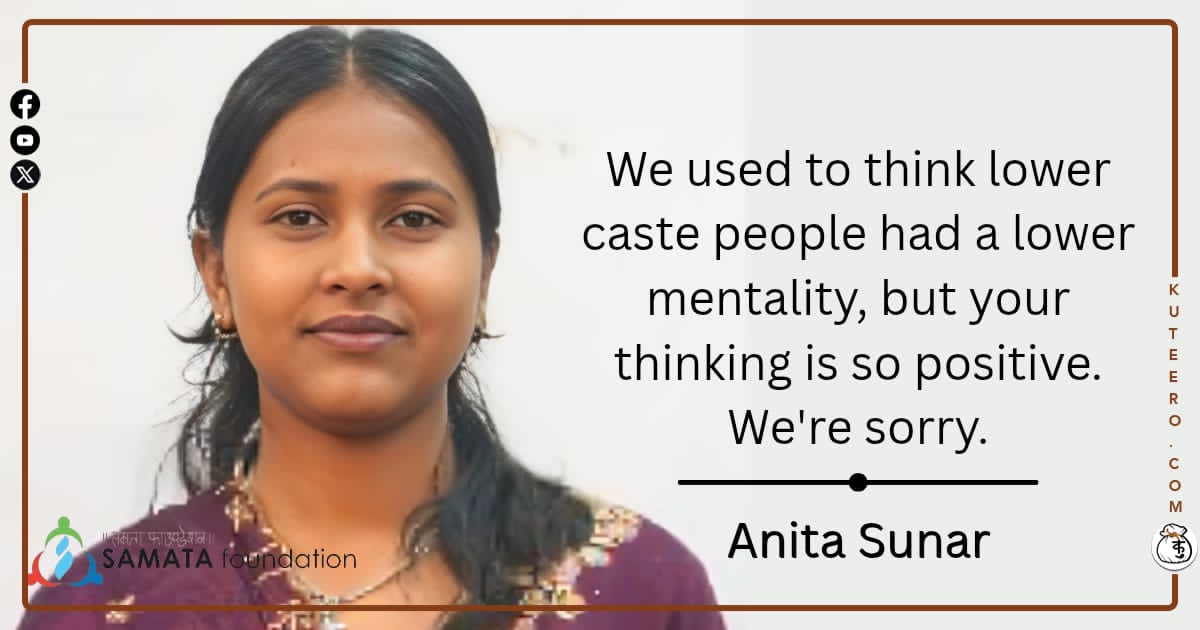
What struck Anita most was that this happened in an urban, educated setting. Even among people who claimed to be modern and informed, deep-rooted biases remained. But after three years of living with her brother, those same landlords came to him and said, “We used to think lower caste people had a lower mentality, but your thinking is so positive. We’re sorry.” It was a small moment of transformation, but it stayed with her.
She often reflected on that, what is a lower caste or upper caste? These are just labels created to separate. The idea that someone’s worth could be defined by their caste felt deeply unjust to her.
Anita lives in Sunar gaun, a neighborhood where everyone is from the Dalit community. Here, people respect each other and there is no discrimination. As discrimination usually happens when it comes to water resources, and it gets worse when they go outside their own neighborhood.
During one of her field visits to a neighboring village to conduct a community session, Anita witnessed a painful reminder of how caste still operates. A Dalit girl had gone to help in the kitchen at a local wedding. But when it came time to serve food, she was asked to leave.
“People might not eat food touched by you,” they said.
At that same wedding, members of the Aama Samuha, mostly Dalit women were served food on leaf plates, while others were given regular plates. It wasnt open violence, but it was still deeply humiliating. It was a quiet kind of exclusion that bites just as sharply. These moments have only strengthened Anitas resolve. She no longer wants to remain silent.
After joining Samata Foundation as a Dalit Human Rights Defender (DHRD), Anita began to grow, personally and politically. The experience opened her eyes to the structural nature of caste inequality. She learned how to organize, speak publicly, and engage in policy advocacy that pushes for real change.
Her work as a DHRD laid the foundation. Now, she stands even stronger, equipped with knowledge, confidence, and commitment to challenge systems of marginalization.
Anita wants to ensure that no Dalit girl ever feels unwanted or invisible. She wants to be part of shaping policies and narratives that uplift her community.
Because Anita Sunar was never a mistake.
She was meant to be here – To speak. To serve. To stand ownself here.
(Anita Sunar is a Dalit human rights defender from the Samata Foundation. She is currently active in Salyan advocating for Dalit rights and working to build an equitable society.)